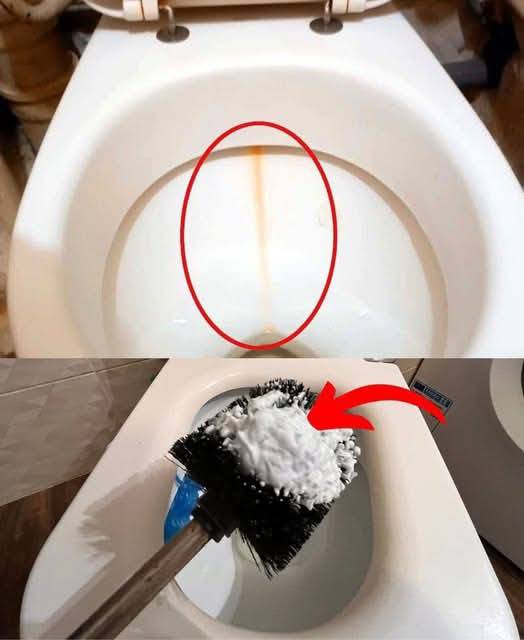
There’s nothing more frustrating than seeing yellow stains and stubborn limescale buildup in your toilet bowl—a common problem in many households. It often seems like removing limescale requires strong chemicals and a lot of effort. However, there’s no need to worry. There are many proven methods that can restore your toilet to its original cleanliness and shine.
Using the right cleaning methods not only helps remove limescale and deposits but also improves hygiene and the overall appearance of your bathroom. Natural solutions are often safe, eco-friendly, and effective, while stronger chemical options can help in more difficult cases.
Main Points
- Limescale buildup is mainly caused by hard water and time.
- Home remedies like vinegar and baking soda are effective and eco-friendly.
- Chemical cleaners can help with tougher deposits.
- Steam cleaners offer a modern and efficient alternative.
- Regular cleaning and prevention can significantly reduce buildup.
What Causes Limescale and Yellow Stains?
Limescale and stains are mainly caused by minerals in water, especially calcium and magnesium. When water evaporates or sits still, these minerals settle on surfaces, forming hard deposits.
Hard water, which contains high levels of these minerals, is the main contributor. Yellow stains often come from iron in the water, which oxidizes and creates a yellow or brown discoloration.
Poor toilet maintenance—such as infrequent flushing or leaving waste for long periods—can worsen the problem. Warm and humid conditions also promote bacteria growth, affecting both hygiene and smell.
Methods to Remove Limescale from a Toilet
1. Vinegar
Vinegar is one of the most popular natural cleaners due to its descaling and disinfecting properties.
- Pour about 250 ml of vinegar into the toilet bowl.
- Focus on areas with visible buildup.
- Leave it for several hours or overnight.
- Scrub thoroughly with a toilet brush and flush.
Regular use helps prevent buildup and eliminates odors.
2. Baking Soda and Vinegar
This combination creates a chemical reaction that helps break down deposits.
- Add about 100 grams of baking soda to the toilet.
- Slowly pour in 200 ml of vinegar.
- Let it sit for 30 minutes.
- Scrub and flush.
This method is effective, affordable, and eco-friendly.
3. Citric Acid
Citric acid is another natural descaler available in most grocery stores.
- Dissolve 3–4 tablespoons in warm water.
- Pour the solution into the toilet bowl.
- Leave for a few hours.
- Scrub and rinse.
It removes limescale effectively and leaves a fresh scent.
4. Chemical Cleaners
If natural methods don’t work, chemical cleaners can remove stubborn deposits. These products often contain strong acids that dissolve limescale quickly.
Important:
- Always wear protective gloves.
- Avoid contact with skin and eyes.
- Follow manufacturer instructions carefully.
Use these products occasionally, not as your main cleaning method.
5. Steam Cleaner
A steam cleaner uses high-temperature steam to remove limescale, grease, and bacteria.
It is effective for deep cleaning hard-to-reach areas and can eliminate most bacteria without using chemicals. This makes it an eco-friendly and safe option.
6. Cleaning Below the Water Line
Limescale below the water line can be harder to remove.
- Use descaling tablets designed for toilets.
- Drop one into the bowl and leave it for several hours or overnight.
- Flush thoroughly afterward.
How to Prevent Limescale Buildup
- Clean regularly: At least once a week to prevent buildup.
- Use water filters: Reduce calcium and magnesium in hard water.
- Use anti-limescale products: Toilet blocks or gels help prevent deposits.
Why Regular Cleaning Matters
Regular toilet cleaning is essential for hygiene and comfort. Toilets are exposed to bacteria, and poor maintenance can lead to unpleasant odors and health risks.
Keeping your toilet clean also prevents damage to ceramic surfaces caused by long-term buildup and corrosion, avoiding costly repairs.
Final Thoughts
Removing limescale from your toilet doesn’t have to be difficult or time-consuming. With the right methods, you can maintain a clean, hygienic, and fresh bathroom.
Natural solutions like vinegar, baking soda, and citric acid are effective and environmentally friendly. For tougher cases, chemical cleaners or steam cleaning can provide faster results.
Most importantly, regular maintenance and prevention will save you time and effort in the long run.
Frequently Asked Questions
What other natural cleaners can be used?
In addition to vinegar and baking soda, you can use borax or diluted lemon juice, both of which have descaling and antibacterial properties.
Is a steam cleaner effective?
Yes, steam cleaners are highly effective. They use heat to dissolve limescale and kill bacteria, even in hard-to-reach areas.
How often should I clean my toilet?
At least once a week to prevent buildup and keep the toilet hygienic.
Does hard water affect other appliances?
Yes, it can cause limescale buildup in appliances like washing machines and dishwashers. Using water filters can help protect them.
What if home methods don’t work?
If natural solutions are not effective, use professional toilet cleaners. Always follow safety instructions when using strong chemicals.