Drying laundry: a humidity trap
Hanging your laundry out to dry in the living room or bedroom is probably the activity that most weighs down the atmosphere in your home. Each load releases liters of water into the air. Ideally, you should use a well-ventilated room, such as a laundry room with a mechanical ventilation system. If you don't have a choice, combine this practice with generous and prolonged ventilation.
A homemade and economical dehumidifier
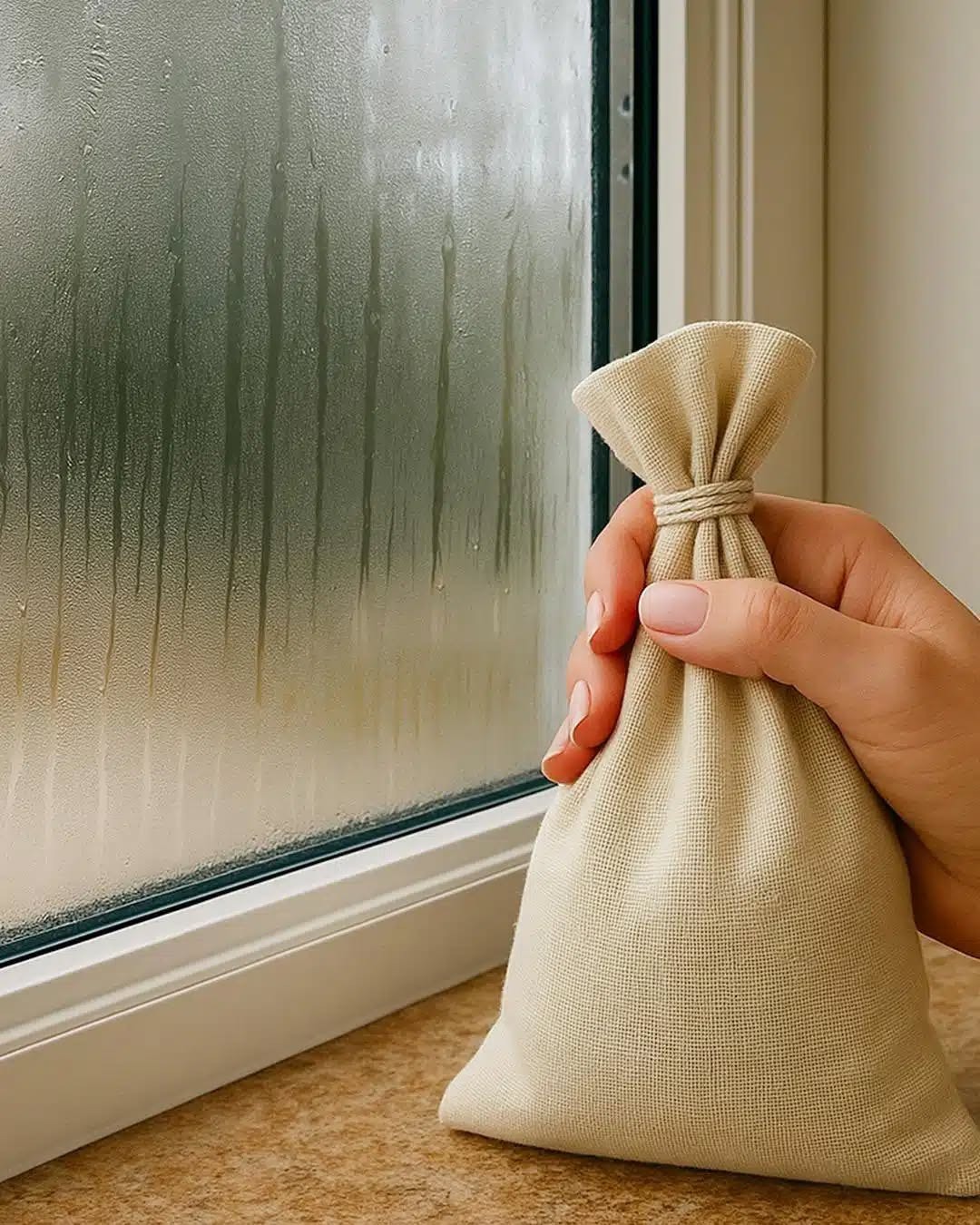
You don't need an energy-guzzling appliance to capture excess humidity. Basic ingredients work wonders. Coarse salt, for example, is an exceptional natural absorbent: place it in small bowls near sensitive areas. Uncooked white rice has the same properties and can be used in a pinch. A simple, discreet, and infinitely renewable solution.
The Secret of Marseille Soap
Here's a tried-and-tested grandmother's trick! After lightly wetting a bar of Marseille soap, gently rub it across the surface of the window. A quick wipe with a microfiber cloth to make it shine, and you're done. This thin, soapy film, invisible to the naked eye, prevents condensation from forming and makes the droplets slide off.
Plants: Your Decorative and Purifying Allies
Did you know that your urban jungle can help regulate humidity? Some varieties are veritable natural sponges. Ivy, Boston fern, or purple wandering Jew are not only beautiful, but they also absorb some of the ambient moisture through their leaves. In addition to helping purify the air in your home, they bring a soothing touch of greenery. Place them as sentinels near your windows.