Room
What’s Included
Why It Matters
Kitchen
Countertops, sinks, stovetop (exterior), microwave (interior wiped), appliance fronts, cabinet exteriors, floors
Removes grease, crumbs, and bacteria hotspots—without deep-disassembly
Bathrooms
Toilets (inside/out), sinks, countertops, mirrors, shower/tub surfaces (walls, doors, floors—not deep grout or behind fixtures), floors
Tackles moisture-prone zones to prevent mold and maintain hygiene
Living Areas
Dusting (furniture, shelves, baseboards), vacuuming/mopping all floors, wiping high-touch surfaces (doorknobs, light switches, remotes), window sills
Eliminates allergens and restores freshness to shared spaces
Bedrooms
Bed-making (if requested), dusting, vacuuming, emptying small trash bins
Creates restorative calm in personal sanctuaries
Key nuance:
→ “Inside the oven” usually means wiping spills—not scrubbing baked-on carbon.
→ “Shower cleaning” covers visible surfaces—not re-caulking, deep tile restoration, or behind the showerhead.
This is the art of maintenance cleaning—keeping your home consistently livable, healthy, and serene.
⚠️ The Exclusions: Not Oversights—Boundaries of Safety & Expertise
Professional cleaners choose not to tackle certain tasks—not out of laziness, but out of professional integrity, liability, and training. These require specialized tools, certifications, or insurance.
1. Biological & Structural Hazards
Active pest infestations (ants, rodents, roaches)
→ Why: Cleaning alone won’t eradicate nests; disturbed pests may scatter. Requires pest control pros.
Extensive mold growth (larger than 10 sq ft, or in HVAC)
→ Why: Mold remediation demands containment, HEPA filtration, and antimicrobial protocols to avoid health risks.
Biohazards (blood, bodily fluids, needle disposal)
→ Why: Legally and ethically, this requires OSHA-certified trauma cleanup teams.
2. Deep-System Cleaning
Air ducts & HVAC systems
→ Why: Requires specialized vacuuming tools and knowledge of airflow dynamics.
Chimneys & dryer vents
→ Why: Fire hazard if improperly cleaned; needs inspection-grade tools and certifications.
Deep carpet shampooing/extraction
→ Why: Standard vacuums lift surface dirt; true deep-cleaning needs industrial equipment and drying protocols to prevent mildew.
3. High-Risk or Delicate Tasks
Ceiling fans, chandeliers, high shelves (above 6 ft / 1.8 m)
→ Why: Safety first. Ladder work increases fall risk; many cleaners’ insurance excludes it.
Antiques, heirlooms, or fine art
→ Why: Cleaning a 200-year-old dresser isn’t like wiping IKEA furniture. Requires conservator-level knowledge of finishes, wood types, and adhesives.
Inside appliances (refrigerator coils, oven interiors, dishwasher filters)
→ Why: Risk of damage, voiding warranties, or electrical hazards. Best left to appliance techs.
💡 Pro Tip: If you need these services, ask your cleaner for referrals. Many partner with trusted specialists—they just won’t perform the task themselves.
Check the first comment😲👇
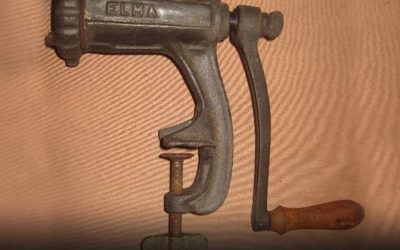
The mysterious metallic object that intrigued the Internet: do you know what it was used for?

Amazon Raises Prices for Ad-Free Streaming Tier, Rebrands It Prime Video Ultra

A Resident Evil Requiem fan who registered a secret in-game website says he will return the site's server to Capcom for free. Provided that the company contacts him
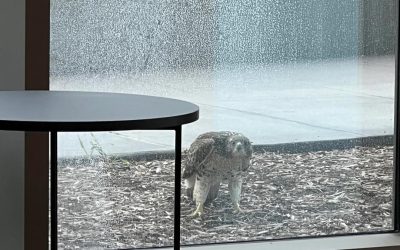
"This Little Dude Spied On Me For 10mins" Nosy little guy, ain't he?