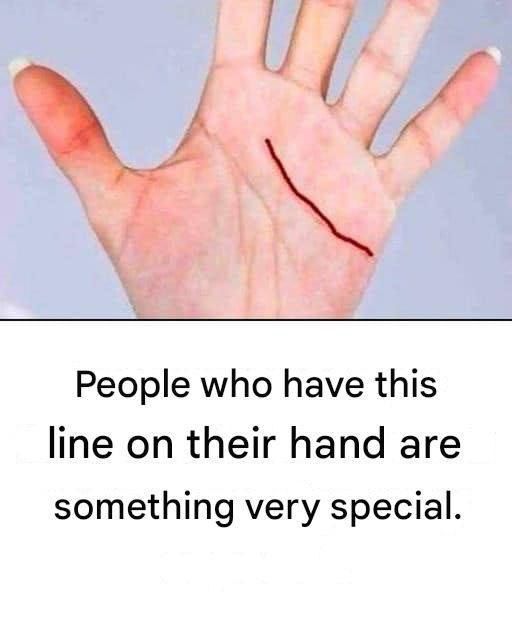
Palmistry, also known as chiromancy, is the art of reading the lines, shapes, and mounts of the hands to gain insight into an individual’s personality, life events, and future potential. This ancient practice dates back thousands of years and has been practiced in many cultures around the world. Palmistry involves the interpretation of the lines on the palms, along with the mounts (the raised areas of the hand) and finger shapes, to reveal information about a person’s characteristics, relationships, career, and health.
The Main Lines in Palmistry
In palmistry, the hands are typically divided into different zones based on the lines and mounts. The most prominent lines that are interpreted in palm reading are:
Heart Line: The heart line is one of the most important lines in palmistry. It is usually found at the top of the palm, running from the edge of the palm under the pinky finger to the index or middle finger. This line represents emotional health, relationships, and matters of the heart. A deep, clear heart line indicates a loving, passionate nature, while a faint or broken heart line might suggest difficulties in expressing emotions or troubled relationships.
Head Line: The head line runs horizontally across the palm, below the heart line, and is associated with intellectual abilities, reasoning, and the way one approaches life’s challenges. A long and deep head line is typically seen as a sign of strong intellect, whereas a shorter or more curved head line might suggest a more creative or intuitive personality. A straight head line indicates a methodical thinker, while a wavy head line suggests someone who is more flexible and adaptable in thinking.
Life Line: