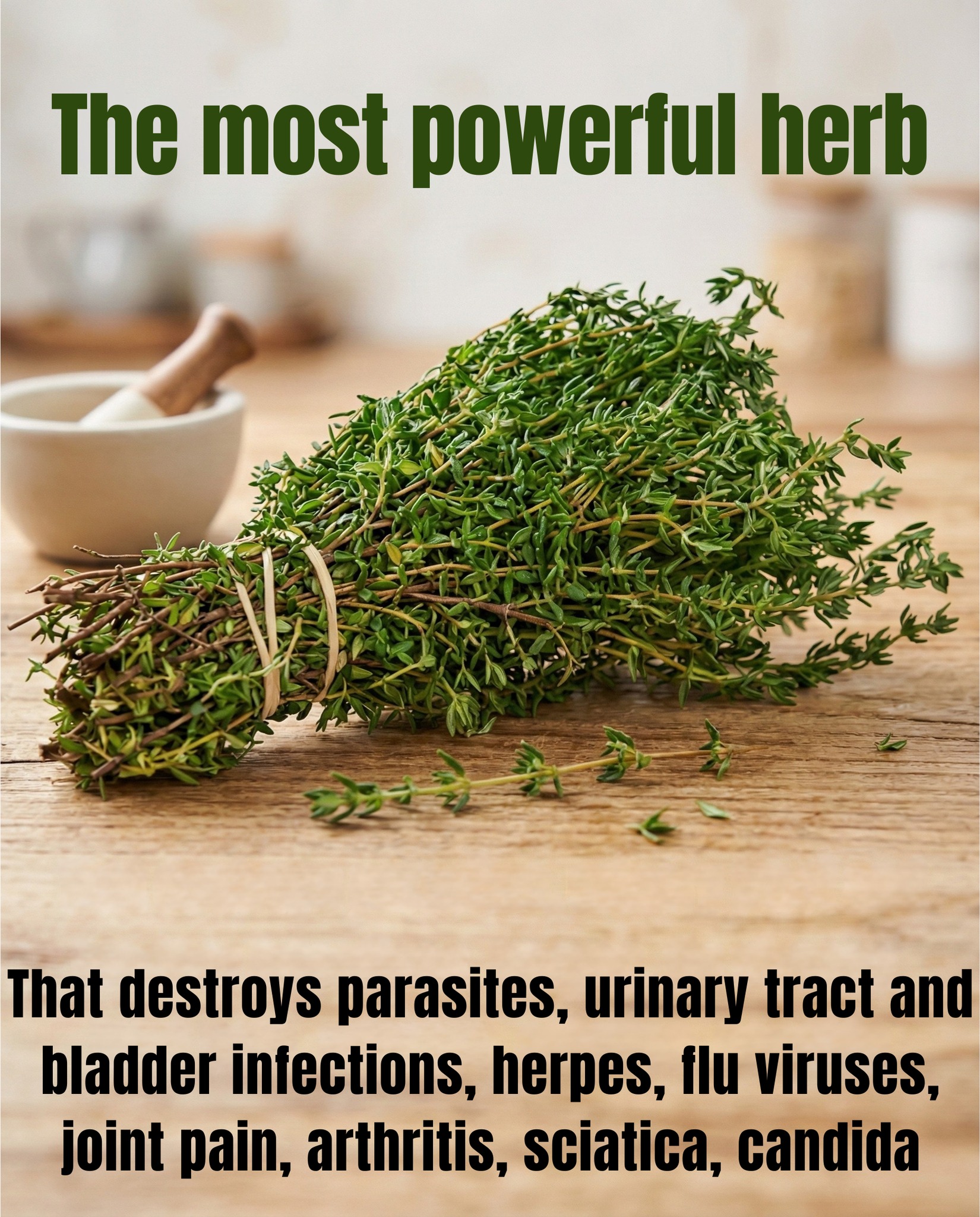
Oregano oil, derived from the leaves of Origanum vulgare, has a long history of use in traditional and herbal medicine. Its therapeutic properties are largely attributed to two powerful active compounds: carvacrol and thymol. Carvacrol is widely studied for its antibacterial and antifungal effects, while thymol contributes additional antiseptic and antimicrobial activity. Together, these compounds give oregano oil a broad spectrum of action against harmful microorganisms.
Antiparasitic Properties
Emerging research suggests that oregano oil may also possess antiparasitic activity. Laboratory and limited clinical studies have shown effectiveness against certain intestinal parasites, including Giardia lamblia and Cryptosporidium parvum.
In one small clinical study, participants with enteric parasites such as Blastocystis hominis experienced symptom improvement after using emulsified oregano oil. While these findings are promising, larger-scale human studies are still needed to establish standardized dosing and confirm long-term safety.
Digestive Health Support
Beyond its antiparasitic effects, oregano oil may contribute to overall digestive health in several ways:
- Balancing gut microorganisms: Its antimicrobial properties may help reduce harmful bacteria while supporting a healthier microbial environment.
- Reducing inflammation: Oregano oil contains compounds that may calm gastrointestinal inflammation and irritation.
- Supporting nutrient absorption: By promoting gut integrity, it may indirectly assist the body’s ability to absorb nutrients more efficiently.
These benefits may be particularly useful for individuals experiencing digestive discomfort related to microbial imbalance.