Why Canned Tomatoes Bubble When Opened — And When to Worry
Canned tomatoes are a staple in many kitchens, offering a convenient way to add fresh tomato flavor to a variety of dishes without the hassle of peeling and chopping. However, encountering unexpected bubbles when opening a can can be alarming and may raise concerns about the safety and quality of the product.
Understanding the difference between natural occurrences and potential signs of spoilage is crucial for ensuring food safety. This article explores the reasons behind bubbling in canned tomatoes, helping you distinguish between harmless dissolved gases and warning signs of fermentation or spoilage.
1. Why Bubbles Appear the Moment You Open Canned Tomatoes
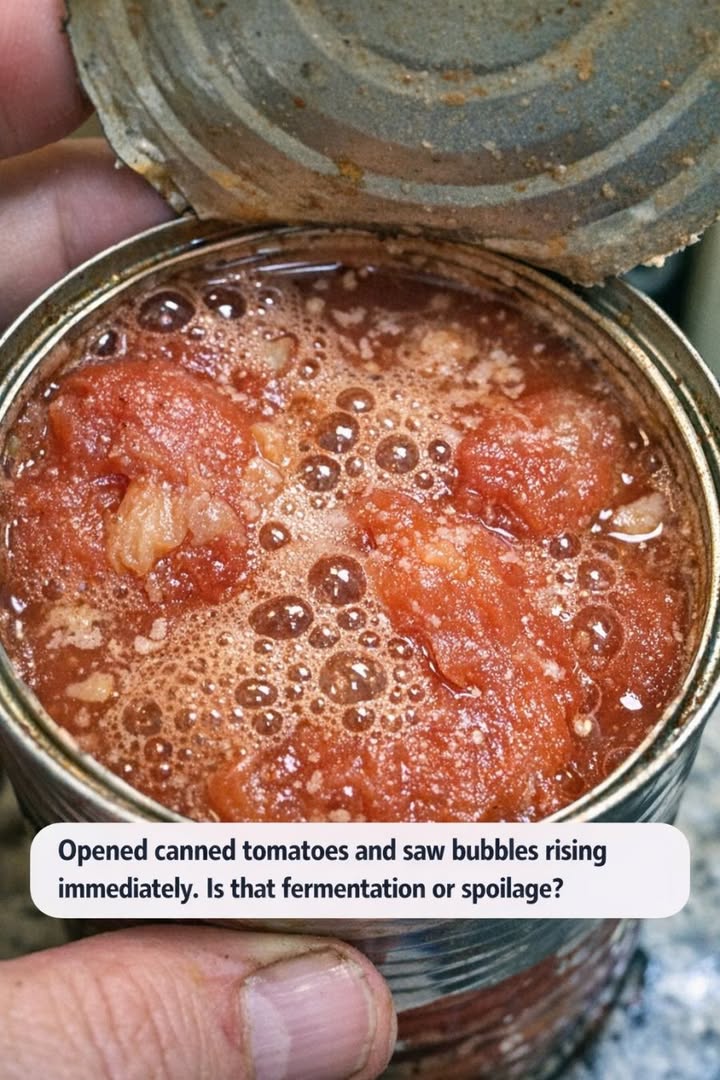
When you open a can of tomatoes, you may notice bubbles rising immediately. This is often due to the release of dissolved gases that were trapped under pressure during the canning process. Canned foods are sealed in an airtight environment, allowing gases to dissolve into the liquid inside the can.
Once the can is opened, the sudden drop in pressure allows these gases to escape, forming bubbles. The amount of dissolved gas can vary depending on factors such as the temperature during canning and the type of tomatoes used. Tomatoes processed at higher temperatures may retain more dissolved gases, leading to more noticeable bubbling. This is usually harmless, but it’s important to distinguish it from signs of spoilage.
2. Natural Dissolved Gases vs. Signs of Fermentation
While dissolved gases are a normal result of canning, bubbles caused by fermentation are not. Fermentation indicates microbial activity and is a sign of spoilage. This process produces gas, which may cause continuous bubbling or even bulging of the can.
Fermentation typically involves yeasts or bacteria feeding on sugars and producing carbon dioxide and alcohol. If a can has a faulty seal or has been damaged, microorganisms may enter and trigger fermentation. Other indicators—such as odor and appearance—should be assessed to confirm spoilage.
3. Visual Clues: What Safe, Normal Bubbles Look Like
Safe bubbles are usually small, clear, and disappear quickly. They tend to appear immediately upon opening and do not continue forming afterward. These bubbles should not be accompanied by changes in the liquid or the tomatoes themselves.
If the liquid is clear and the tomatoes look intact and bright in color, the bubbling is likely harmless—similar to what happens when opening a carbonated beverage.
4. Red-Flag Bubbles: Foam, Froth, and Other Warning Signs
Foamy or frothy bubbles are a warning sign and may indicate fermentation or spoilage. Persistent bubbling or a layer of foam on the surface suggests ongoing microbial activity.
These bubbles may also be accompanied by discoloration, changes in texture, or visible mold. If any of these signs are present, the product should be discarded.