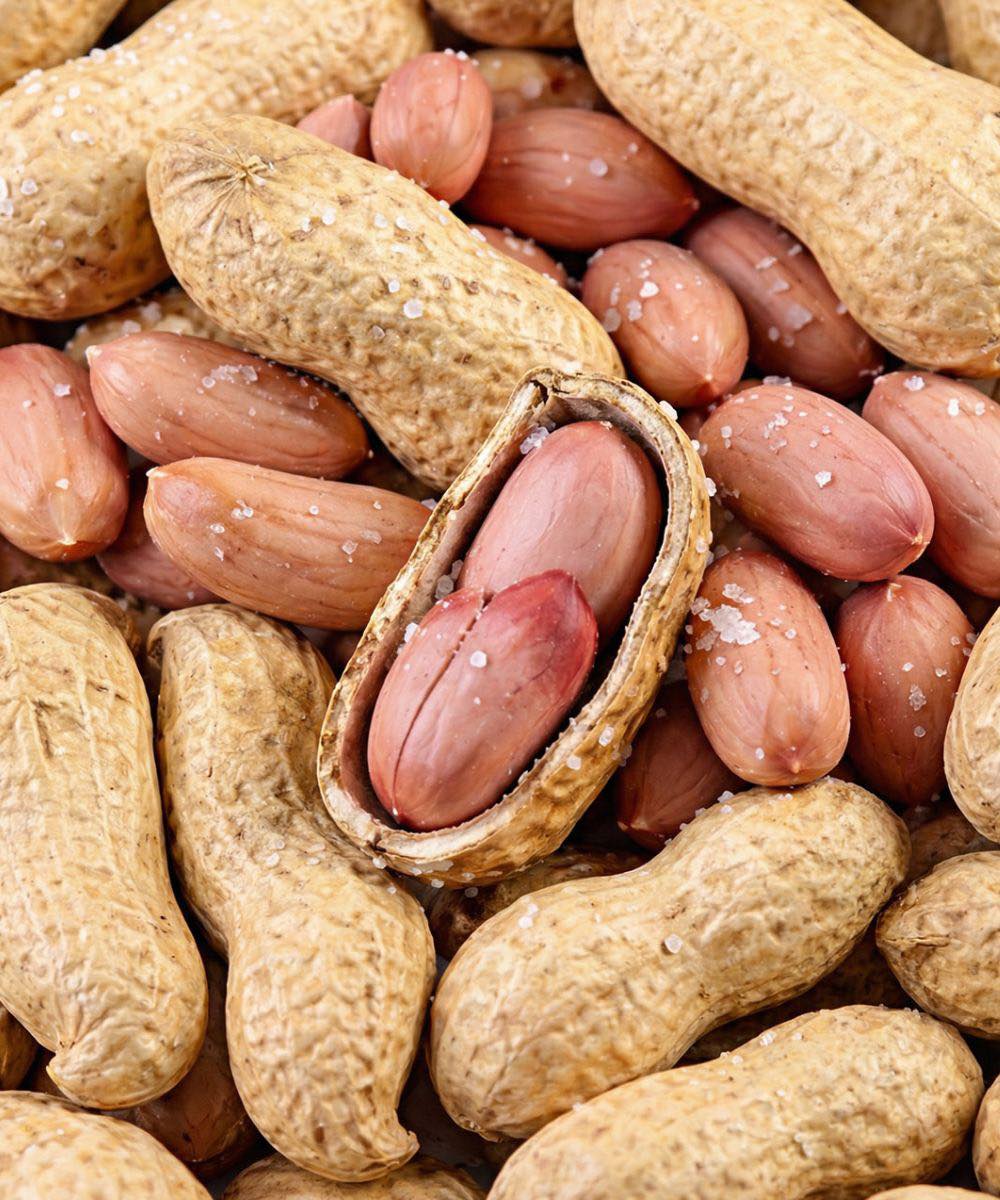
Despite their benefits, peanuts should be consumed mindfully:
- Choose unsalted varieties to avoid excess sodium, especially if managing high blood pressure.
- Stick to a moderate portion — about one small handful (1 ounce or 28 grams) per day.
- Avoid heavily processed or oil-fried versions.
- Be cautious if there is a history of peanut allergies.
Natural peanut butter (with no added sugar or hydrogenated oils) can also be a convenient option, particularly for seniors who have difficulty chewing whole nuts.
A Simple, Practical Addition
Healthy aging does not require complicated diets. Sometimes, small and consistent habits make the biggest difference. Adding a modest serving of peanuts to yogurt, oatmeal, salads, or whole-grain toast can provide lasting nutritional value.
As always, seniors should consult with a healthcare professional if they have specific medical conditions. However, for many older adults, peanuts can be a safe, affordable, and nutrient-rich food that supports heart health, brain function, muscle strength, and overall vitality.
In the journey of aging well, simple choices matter — and sometimes, a small handful of peanuts can be one of them.