Who Is Most at Risk?
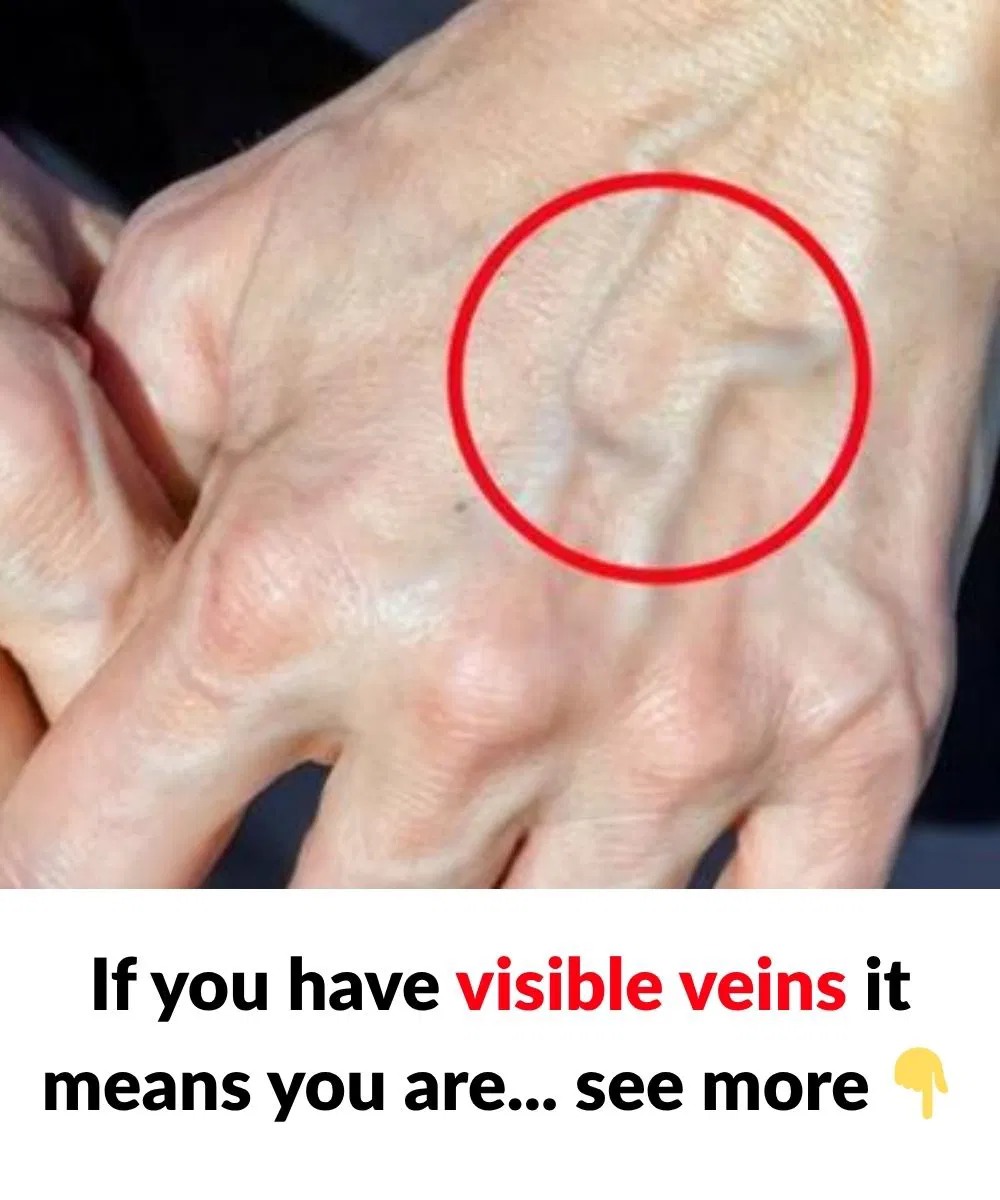
Certain factors increase the likelihood of developing bulging or varicose veins:
- Family history: Genetics play a major role
- Sex: Women are about twice as likely as men to develop vein issues, largely due to hormonal influences
- Age: Risk increases with age, especially after 50
- Weight: Carrying excess weight places additional strain on leg veins
Possible Complications If Left Untreated
While spider veins are usually harmless, untreated varicose veins can progress to chronic venous insufficiency, a condition where blood struggles to return to the heart efficiently.
More serious complications may include:
- Venous ulcers: Slow-healing sores, usually near the ankles
- Blood clots: Including superficial thrombophlebitis or deep vein thrombosis (DVT)
- Pulmonary embolism: A life-threatening condition if a clot travels to the lungs
Ways to Support Healthy Veins
Although genetics and aging can’t be changed, lifestyle habits can make a meaningful difference:
- Stay physically active—walking is especially helpful
- Avoid sitting or standing still for long periods; move regularly
- Maintain a healthy weight
- Wear compression stockings during long flights or extended sitting
- Elevate your legs when resting
- Avoid tight clothing around the waist, thighs, or legs
ADVERTISEMENT ADVERTISEMENT