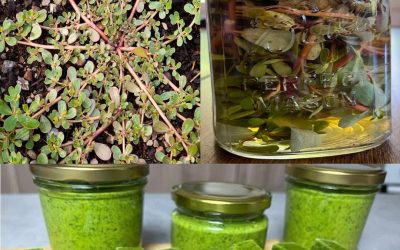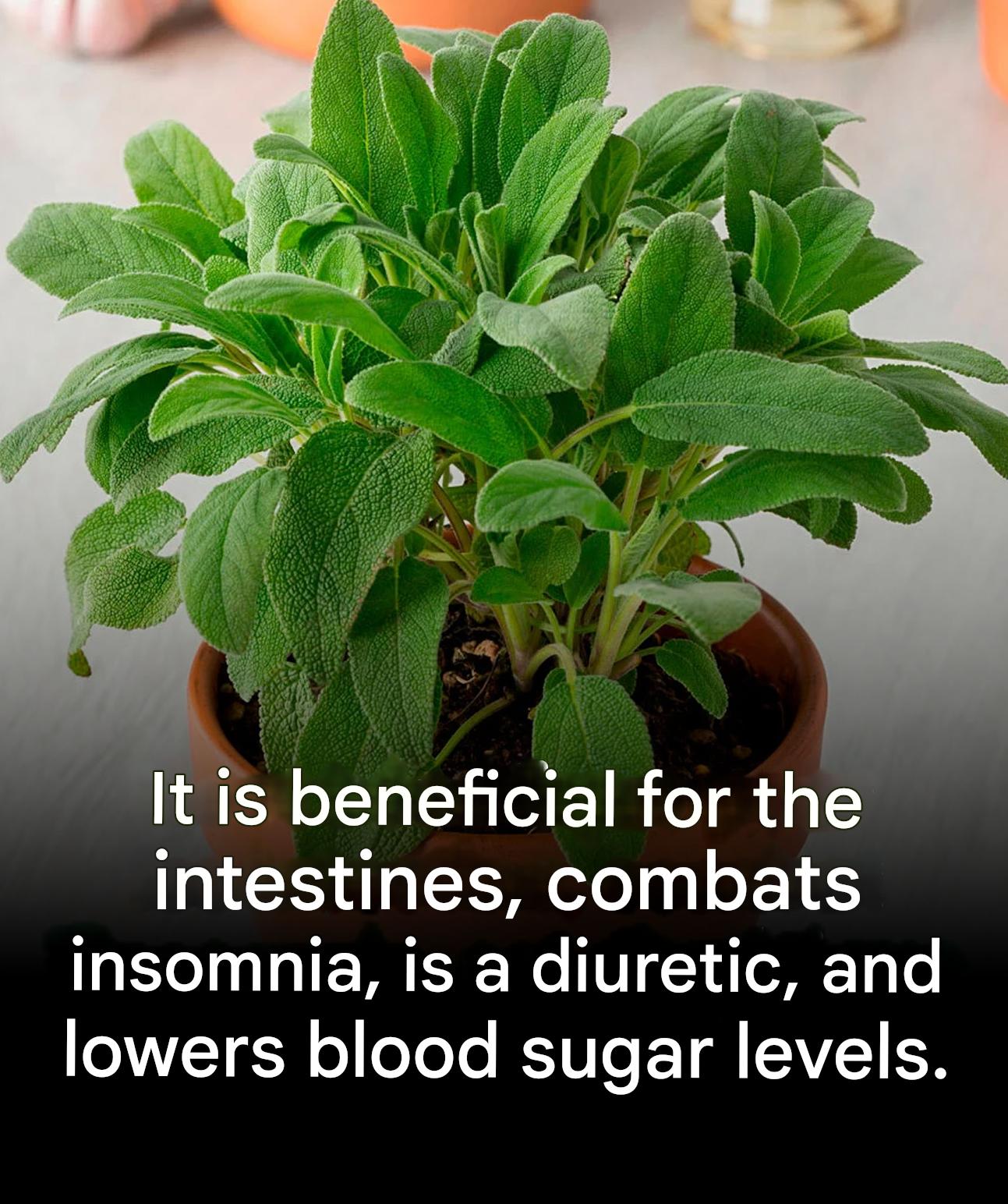
In French kitchens, some herbs go almost unnoticed until the day we discover they make all the difference. Sage is one of them: a fragrance that transforms a simple dish into a fragrant recipe, a velvety texture that evokes the Mediterranean, and above all, the feeling that it soothes as much as it enchants. But why has this ancient plant endured through the centuries with such success? And how can it be a part of your daily life without ever taking itself too seriously? Here's everything you need to know… without falling for miraculous promises.
Sage in cooking: a flavor that changes everything

Fresh or dried, it's used sparingly: a touch is all it takes to transform a marinade, enhance vegetables, flavor a sauce, or give an unexpected twist to a Sunday omelet. A true aromatic treasure that deserves to be rediscovered.
A traditional plant associated with digestive comfort