Furthermore, nutritionists suggest that protein intake should range from 1.2 grams per kilogram of body weight; and in some cases, even 2.5 grams per day. This will depend on the type of activity you do, its duration, and other factors.
Egg
Its protein composition is complete and balanced, as it contains all the essential amino acids. Egg protein is predominantly found in the white; however, the yolk also contains protein.
Meats
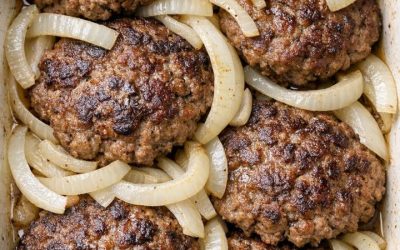
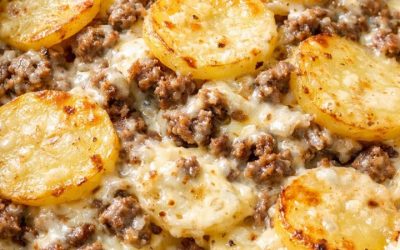
Meat provides between 15 and 22% protein. It also contains minerals such as iron, zinc, and phosphorus.
One common question is whether red and white meats have different protein content. The truth is, there’s no significant difference between them. What may vary is the amount and quality of fat.
Dairy
Milk proteins are considered to have high biological value. One hundred milliliters of milk contain 3.6 grams of protein, the most prominent of which is casein, making up 80% of the total. It is thanks to casein that dairy products such as cheese and yogurt can be produced.
Quinoa
Quinoa is a pseudocereal, a grain known since ancient times and originally used by the Andean peoples. In recent years, its consumption has increased in various parts of the world, thanks to studies demonstrating that it is a complete protein source compared to other grains.
Therefore, it provides 13 to 16 grams of this nutrient in 100 grams of food, as well as vitamins and minerals.
Legumes
Legumes are characterized by their high protein content, ranging from 17 to 25%. This proportion is similar to that of meat, however, its quality is affected.
Cereals
Cereals, especially whole grains, are foods with considerable nutritional value. They provide dietary fiber and minerals and contain almost no fat. Their protein content ranges from 7 to 15%. While this is not as high as in other foods, they are a food group that people consume daily.