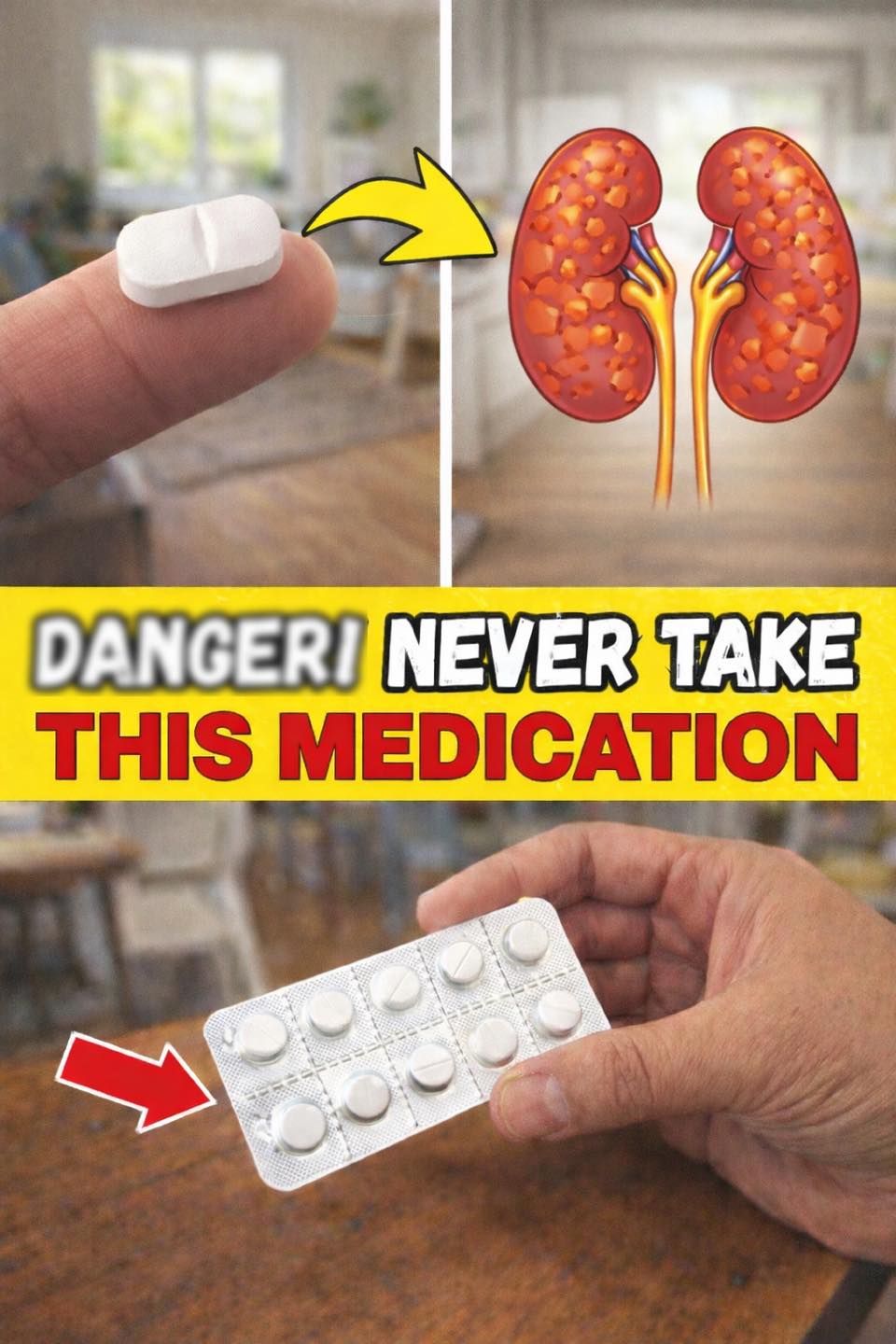
This is often seen as a safer first choice for pain or fever because it doesn’t irritate the stomach like NSAIDs.
However, exceeding recommended doses over time can strain the liver. Studies show that accidental overuse is a common issue, especially when combined with other products containing it.
Quick list of tips to stay safe:
Stick to no more than 3,000–4,000 mg per day (check labels carefully).
Avoid alcohol while using it regularly.
Monitor total intake from all sources, including cold remedies.
Doctors appreciate when patients are proactive about tracking this.

4. Benzodiazepines and Similar Sleep Aids – Like Certain Prescription Options for Insomnia
These help with short-term sleep struggles or anxiety, promoting relaxation quickly.
Long-term use raises concerns about dependency, tolerance (needing more for the same effect), and potential impacts on memory or balance. Guidelines suggest they’re best for brief periods.
Here’s the interesting part: Many people transition successfully to non-medication approaches.
Steps to try:
Establish a consistent sleep routine (same bedtime/wake time).
Limit screens and caffeine in the evening.
Explore cognitive behavioral techniques for insomnia—often more sustainable long-term.
Your doctor can guide you on tapering if needed.
5. Certain Antihistamines – Like Diphenhydramine in Sleep or Allergy Products
Found in many over-the-counter sleep aids or allergy relief formulas, these block histamine to ease symptoms.
In older adults especially, prolonged use can lead to drowsiness, confusion, or dry mouth due to anticholinergic effects. The Beers Criteria flags them for caution in long-term scenarios.
Smarter swaps: Opt for non-sedating antihistamines like loratadine for allergies, or focus on sleep hygiene for rest issues.
What You Can Do Right Now: Actionable Tips for Safer Use
Here are straightforward habits to build:
Review your medications annually: Schedule a “medication check-up” with your doctor or pharmacist.
Track symptoms and usage: Keep a simple journal—note when you take something and why.
Explore non-drug options: Physical activity, stress management, or dietary tweaks often help manage root causes.
Read labels every time: Look for hidden ingredients or warnings.
Ask questions: “Is this still the best option for me long-term?” or “Are there lower-risk alternatives?”
These small steps empower you and often lead to fewer medications overall.